
Disclaimer
I personally do not advocate any process or procedure contained in any of my 100% human publications. Information presented is not intended to provide legal, lawful, financial or medical advice, diagnosis, treatment, cure, nor prevent any disease. Views expressed are for educational purposes only. I surround, protect, purify and make harmless the following information.
Know what exists and take action
By Paul Bossard
Jan 14, 2026
At fifteen, I didn’t know summer research programs existed. I didn’t know universities offered free online courses. I didn’t know you could email professors and they’d sometimes respond. I didn’t know about scholarship databases, mentorship platforms, or international exchanges specifically designed for students like me.
I couldn’t search for these things because I didn’t know they were possibilities. And this is the fundamental problem facing ambitious young people, especially those from rural or underrepresented backgrounds: the most valuable opportunities are invisible until someone shows them to you.
This isn’t about lack of motivation
It’s about information asymmetry. Students in major cities hear about opportunities through their environment—classmates’ older siblings, school bulletin boards, casual conversations. In rural areas, this ambient information flow doesn’t exist.
The good news: once you know what categories of opportunities exist, you can systematically discover them. This essay is a practical guide to finding opportunities you didn’t know were possible.
Core Problem: You Can’t Google What You Don’t Know Exists
Google is powerful, but it requires you to know what questions to ask.
If you don’t know that “summer research programs for high school students” is a thing, you won’t search for it. If you’ve never heard of “fully-funded youth exchanges,” that search won’t occur to you. If nobody mentions “remote internships,” you won’t look.
The solution isn’t better searching. It’s understanding what categories of opportunities exist, then searching systematically within each category.
Think of it like exploring a map where most of the terrain is blank. You can’t navigate to places you don’t know exist. But once someone shows you the map’s full extent, you can plot routes to anywhere.
Five Categories of Hidden Opportunities
Nearly every opportunity for young people falls into five categories. Understanding these categories transforms your search from random to systematic.
1. Educational Programs Beyond School
2. Scholarships and Financial Aid You’ve Never Heard Of
3. Mentorship and Networking
4. Competitions and Challenges
5. Building and Creating Independently
Continues with full details at https://substack.com/home/post/p-184569873
Lucidity
Paul Bossard, 16, rural France — building Lucidity to bridge invisible informational gaps that shape the futures of young people worldwide. Subscribe free.
https://lucidity-website-alpha.vercel.app/
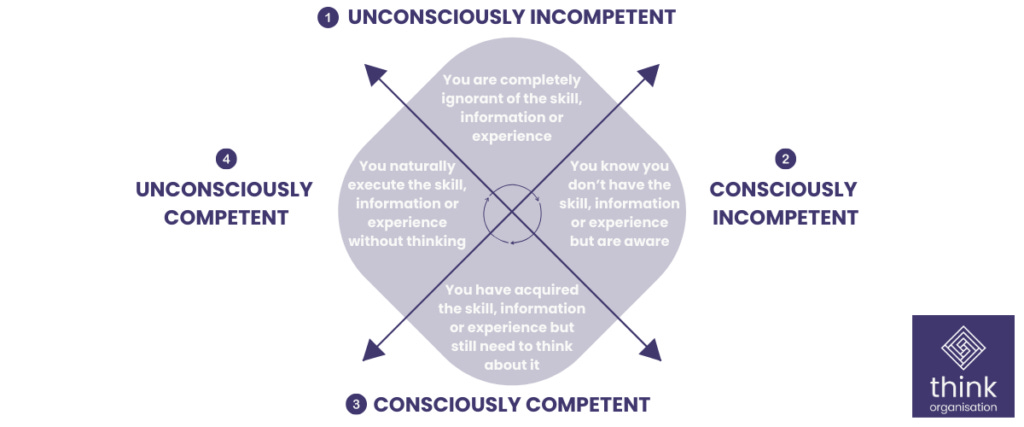
Four levels of Mastery
We can help youth expand their awareness by sharing the above practical guide, to transform unconscious incompetence [don’t know what they don’t know] into conscious incompetence [aware of what they don’t know], opening doors to new possibilities.
If they are sincere and put in the effort, they will be guided toward their greatest opportunity for personal growth, lowering entropy and evolving consciousness.
Without prejudice and without recourse
Doreen Agostino
Our Greater Destiny Blog
educare